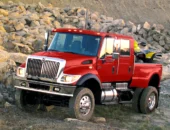
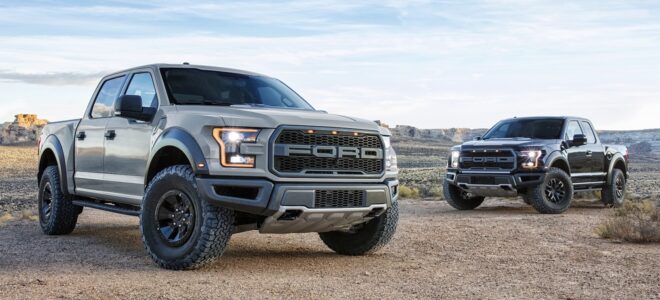
Not all truck upgrades are created equal. For every modification that genuinely improves performance, durability, or resale value, there are just as many that look impressive on paper but deliver little real-world benefit — or worse, introduce new problems. Whether you run a work truck that earns its keep every day or a personal rig you use for towing and weekend hauling, understanding which upgrades deliver measurable returns is what separates a smart investment from an expensive hobby.
This guide focuses on the upgrades that consistently deliver across three dimensions that actually matter: performance under load, long-term durability, and the total cost of ownership over the life of the truck. Some of these are straightforward bolt-on improvements. Others require a bigger commitment. All of them are worth understanding before you spend.
Cold Air Intake and Exhaust: Where the Gains Are Real – and Where They Are Not
Source: dieselarmy.com
Intake and exhaust upgrades are among the most popular truck modifications, and also among the most misrepresented. The marketing claims attached to aftermarket air intakes and performance exhaust systems routinely promise horsepower gains that real-world testing rarely confirms. That said, there are genuine benefits to these upgrades when they are chosen and installed correctly — the key is understanding what they actually do.
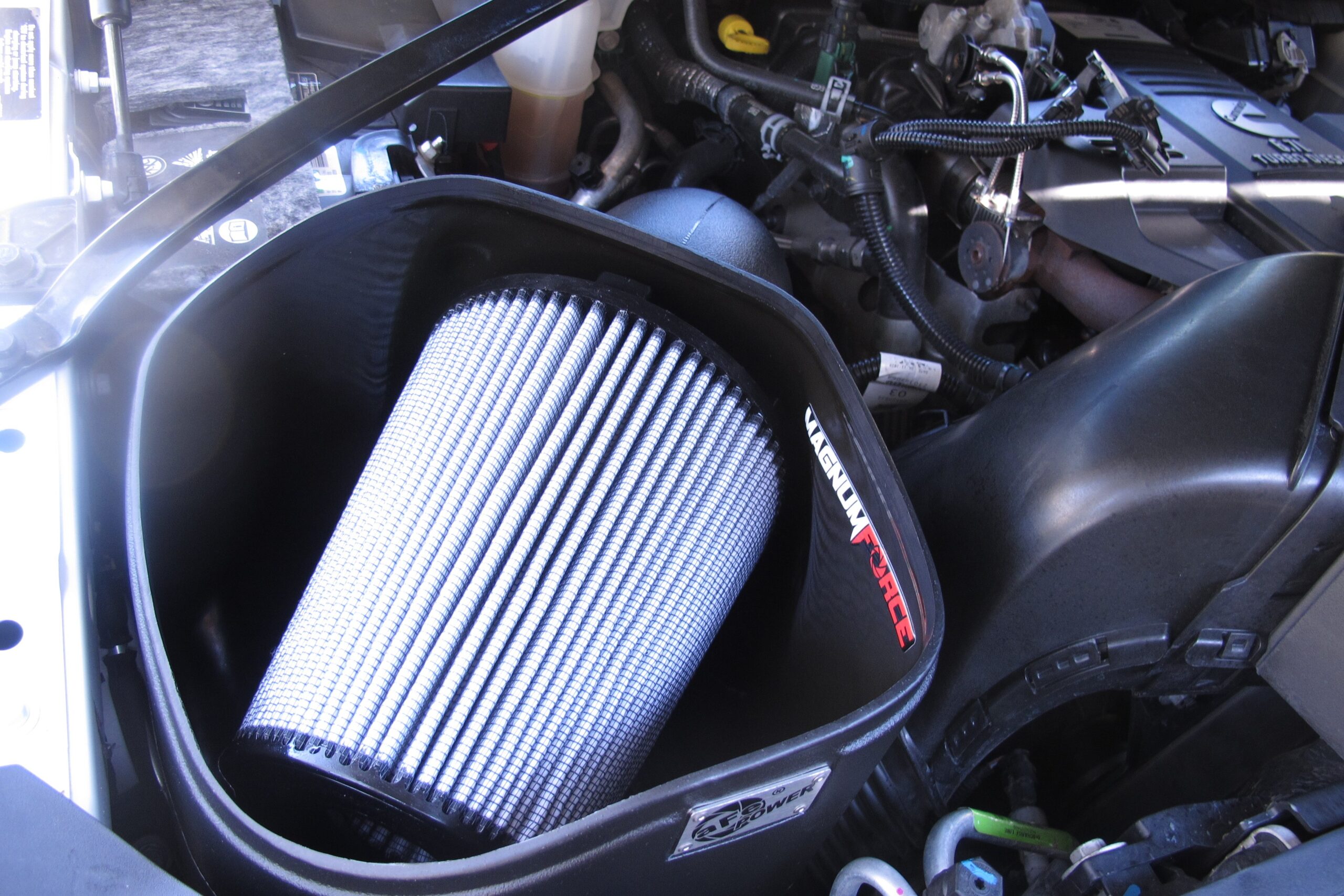
A high-flow cold air intake replaces the factory airbox and filter with a setup designed to deliver a larger volume of cooler, denser air to the engine. On naturally aspirated engines, the gains are modest. On turbocharged diesel and gasoline engines — which is most modern trucks — a quality intake can improve throttle response, reduce intake restriction, and support more complete combustion. The turbocharger amplifies any improvement in inlet air quality, which is why intake upgrades make more practical sense on diesels than on naturally aspirated gas engines.
What to look for in an intake upgrade:
- True cold air routing — the filter element should be positioned away from engine heat, not just replace the factory airbox in the same location
- High-quality filtration — an intake that flows well but filters poorly will allow fine dust to accelerate engine wear; look for setups with oiled cotton gauze or dry filtration rated for fine particles
- Dyno-tested claims — reputable manufacturers publish actual dyno results; be skeptical of claimed gains that have not been independently verified for your specific engine platform
On the exhaust side, the biggest practical gains for diesel trucks come from reducing backpressure downstream of the turbocharger — specifically replacing restrictive factory mufflers and resonators with free-flowing alternatives. A proper cat-back exhaust system on a diesel truck can noticeably improve exhaust gas scavenging, which helps the turbocharger spool more efficiently and reduces EGT (exhaust gas temperature) under heavy load.
Suspension Upgrades: The Upgrade That Changes Everything About How a Truck Drives
Source: timbren.com
Suspension is where truck upgrades transition from cosmetic to genuinely transformative. The factory suspension on most trucks is engineered to a cost and a compromise — it needs to ride acceptably unladen, handle reasonably loaded, and meet towing ratings without requiring specialized components that would raise the sticker price. The result is a suspension that does everything adequately and nothing exceptionally.
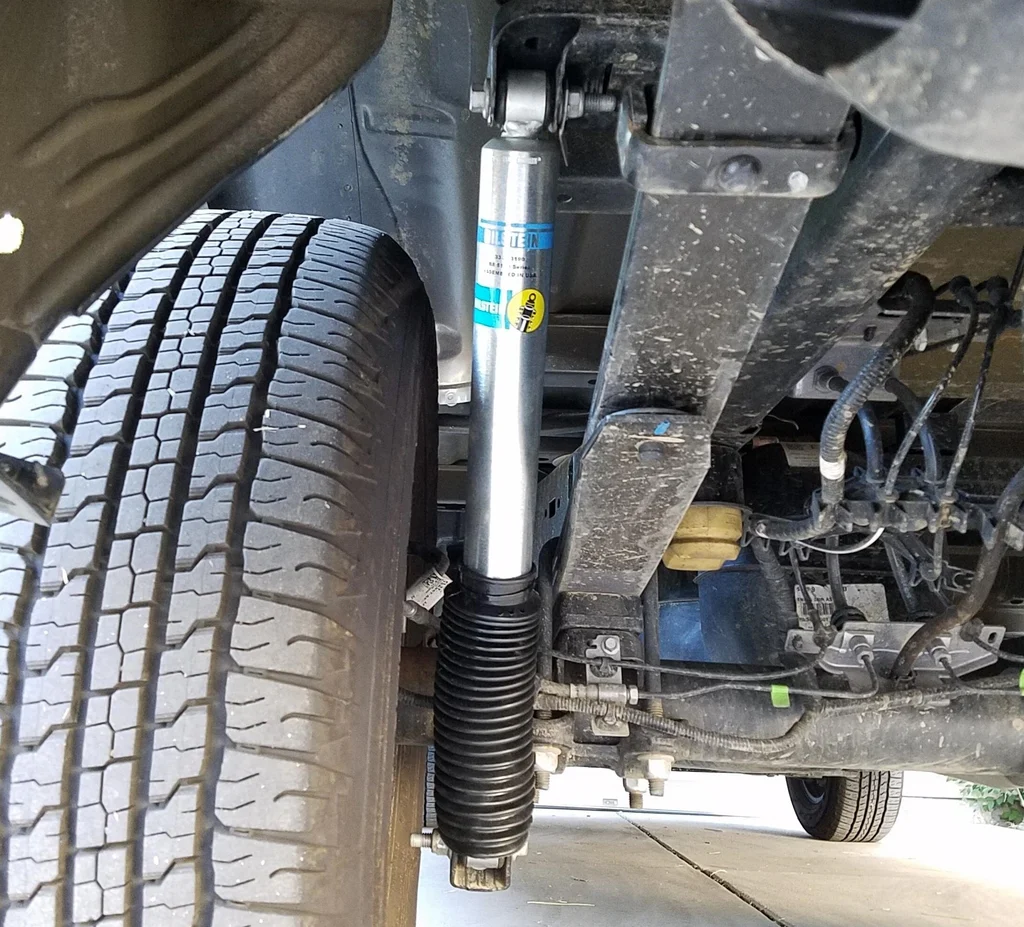
Aftermarket suspension upgrades allow truck owners to optimize for their actual use case rather than the average case the factory engineered for. The two most impactful areas are the spring system and the shock absorbers, and the right choice depends heavily on how the truck is used.
Leveling kits and lift kits are the most visible suspension modification, raising the front of the truck to level the stance or adding ground clearance for off-road use. Done correctly with quality components, a properly engineered lift maintains suspension geometry and does not compromise towing stability or tire wear. Done cheaply with poor geometry correction, lifts create accelerated wear on CV joints, ball joints, and tires that costs far more than the initial savings.
For trucks that primarily work — hauling heavy payloads, towing trailers, or operating in demanding conditions — the suspension upgrade that delivers the most consistent real-world benefit is often a move to a heavier-duty spring rate combined with quality monotube or remote-reservoir shock absorbers. Factory shocks on trucks fade noticeably under sustained heavy load or extended off-pavement use; high-performance replacements maintain consistent damping through conditions that overwhelm the OEM units.
The choice between leaf spring and air ride suspension is one of the most consequential decisions for work truck owners, and it is more nuanced than most upgrade guides acknowledge. Heavy Duty Journal’s detailed comparison of leaf spring versus air ride suspension covers the operational trade-offs for heavy-duty applications — including load capacity, maintenance requirements, ride quality across weight ranges, and how each system performs under the specific demands of commercial truck use — which is directly applicable to any truck owner making a serious suspension decision.
Towing and Payload Upgrades: Building a Truck That Works Harder
For truck owners who regularly tow or haul at or near the vehicle’s rated capacity, a targeted set of upgrades can meaningfully improve both the safety and the capability of the setup. These are not modifications that push a truck beyond its designed limits — they are improvements to the supporting systems that allow the truck to operate more comfortably and reliably within those limits.
Trailer brake controller upgrade: Factory brake controllers on many trucks are basic proportional units that work adequately but can be outperformed by aftermarket units offering more adjustability, better trailer compatibility, and improved brake gain calibration. A quality aftermarket controller with independent gain adjustment makes a meaningful difference in stopping distance and trailer sway control when towing near maximum capacity.
Weight distribution hitch: For tongue weights above 500 pounds, a properly set up weight distribution hitch is not optional — it is a safety component. It redistributes tongue weight across all axles of the tow vehicle and trailer, restoring steering feel, maintaining front axle load, and dramatically improving trailer tracking stability. The hitch with integrated sway control bars provides an additional layer of protection against trailer sway in crosswinds and passing situations.
Transmission cooler: Factory transmission coolers on most trucks are sized for average use, not sustained maximum-load towing in hot weather. An auxiliary transmission cooler keeps fluid temperatures in the safe range during the extended, high-load operation that accelerates transmission wear and shortens service life. This is one of the most cost-effective durability upgrades available for a truck used regularly for heavy towing — a $200–$400 cooler can add years to a transmission that would otherwise require an $8,000+ rebuild.
- Fifth-wheel and gooseneck hitches — for trucks used to tow large trailers, a properly installed fifth-wheel or gooseneck hitch provides better tongue weight ratings, improved stability, and more direct load transfer to the truck frame than conventional ball hitches
- Air bag helper springs — for trucks that regularly carry maximum payload in the bed, rear air bag helper springs maintain proper ride height and prevent the rear suspension from bottoming under load, improving brake balance and steering feel
Braking System Upgrades: The Safety Upgrade That Earns Its Cost Every Time
Trucks that tow heavy loads or carry maximum payloads place demands on the braking system that the factory setup was designed to handle — but only just. As components wear, brake performance degrades, and a truck towing 10,000 pounds with worn rotors and faded pads is a significantly different and more dangerous proposition than the same truck with fresh, properly sized brakes.
Braking upgrades that deliver genuine safety and performance improvements:
- Slotted or cross-drilled rotors — improve heat dissipation and gas venting during sustained braking; on a truck used for mountain towing or long downhill grades, this is a meaningful performance gain over stock rotors
- High-performance brake pads — compound selection matters more than most owners realize; a pad compound optimized for high-load, high-temperature use on a tow vehicle performs very differently from the comfort-oriented compound most trucks ship with from the factory
- Stainless steel braided brake lines — factory rubber lines expand slightly under pressure, creating a soft, spongy pedal feel; stainless braided lines eliminate this expansion, providing a firmer, more consistent pedal that improves modulation during heavy braking
For trucks equipped with air brake systems — common on heavier-duty commercial applications and vocational trucks — brake system maintenance and upgrade decisions require a specialized approach. Heavy Duty Journal’s expert guide to air brake troubleshooting provides a comprehensive breakdown of air brake system components, common failure modes, diagnostic procedures, and maintenance intervals — essential reading for anyone operating or upgrading a truck with air brakes.
Interior and Technology Upgrades: Comfort and Capability That Pays Back
Source: cars.usnews.com
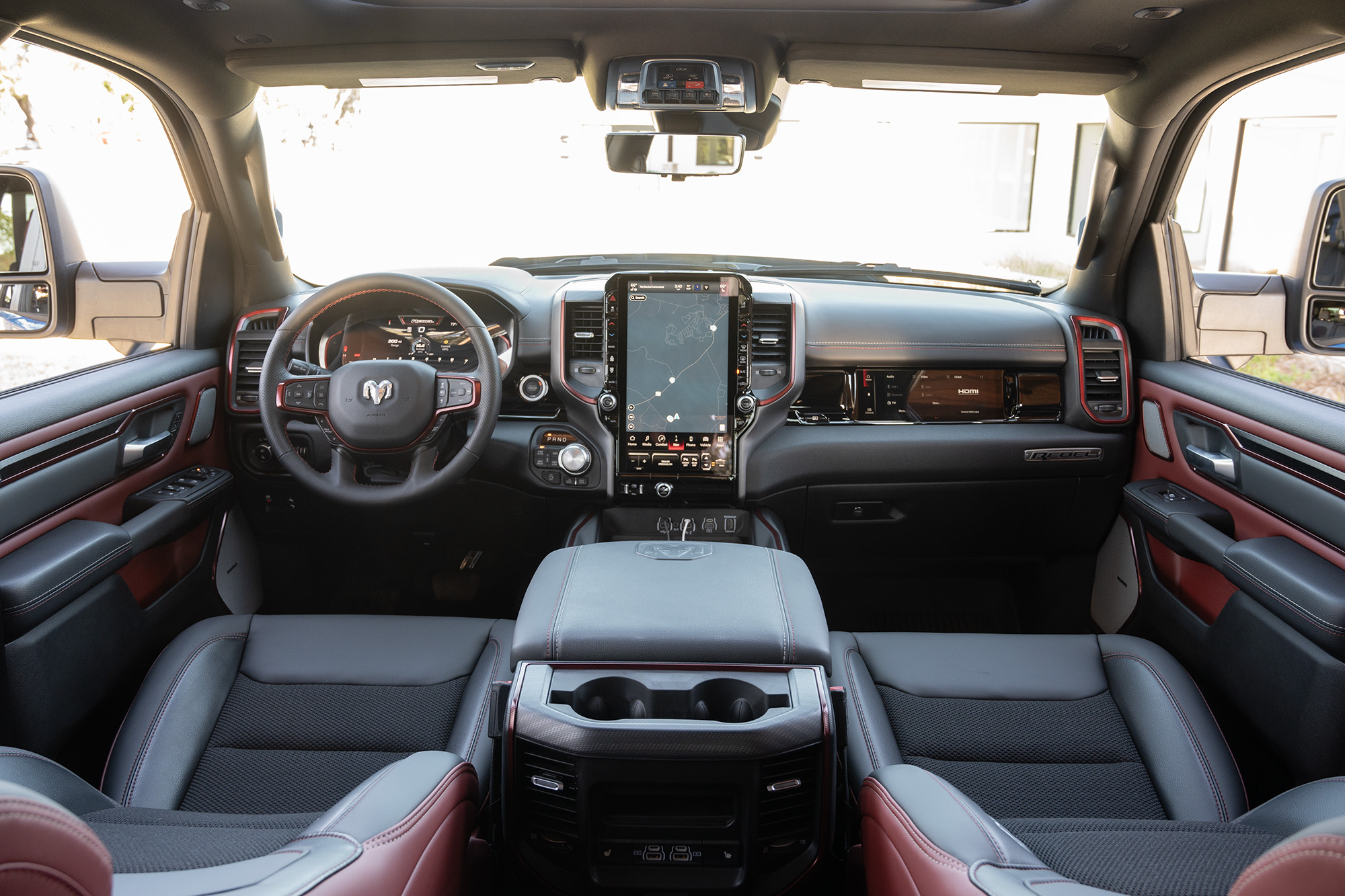
The upgrades that improve a truck’s working environment – rather than just its mechanical capabilities – are often the last thing enthusiasts think about and the first thing working truck owners appreciate. Long days behind the wheel of a truck that is uncomfortable, poorly lit, or hard to monitor take a real toll, and targeted interior and technology upgrades address problems that no amount of suspension tuning can fix.
Aftermarket infotainment and navigation: Modern aftermarket head units offer better navigation mapping, improved smartphone integration, and higher screen resolution than many factory systems. For trucks used commercially or for long-distance towing, a reliable navigation system with truck-specific routing – accounting for height restrictions, weight limits, and bridge ratings — is a practical tool, not a luxury.
Bed liners and cargo management: A quality spray-in bed liner protects the truck’s most abused surface from rust, denting, and abrasion while maintaining resale value. Bed management systems – sliding trays, dividers, and anchor systems – turn the bed from a flat surface into an organized workspace. For contractors and operators who work out of their trucks, this upgrade pays back in saved time and protected equipment.
- Auxiliary lighting – LED light bars and work lights on the roof, bumper, and bed improve safety and productivity in low-light conditions; quality sealed units designed for the vibration environment of a truck outlast inexpensive alternatives by years
- Dash cameras – front and rear dash cam systems provide liability protection in the event of an accident; increasingly standard in fleet operations for exactly this reason
- Telematics and monitoring systems – GPS tracking, engine data logging, and driver behavior monitoring give fleet operators and owner-operators visibility into how their trucks are actually being used and maintained
The Upgrade Decision Framework: Return on Investment Over the Life of the Truck
The most useful way to evaluate any truck upgrade is to think about it in terms of return on investment over the expected service life of the truck, not just the immediate performance gain. An upgrade that costs $1,500 and saves $3,000 in repairs, extends the service life of a major component, or meaningfully improves resale value has a clear positive return. An upgrade that costs $800 and delivers 15 horsepower on a truck used primarily for hauling materials has a much less compelling case.
Questions worth asking before committing to any upgrade:
- Does this address an actual limitation of how I use this truck, or does it address a limitation I have read about but not experienced?
- Will this upgrade interact negatively with the truck’s warranty or affect its insurability for commercial use?
- Does this upgrade require ongoing maintenance that adds complexity and cost to the truck’s service schedule?
- Will this upgrade add to or subtract from the truck’s resale value when I eventually sell or trade it?
- Am I buying this from a manufacturer with a track record on this specific platform, or am I buying a generic part marketed to fit everything?
The trucks that deliver the best long-term value – whether personal rigs or work vehicles – are the ones where the upgrades chosen were matched to how the truck is actually used, installed correctly, and maintained as part of a disciplined service routine.
The Bottom Line

Source: aftermarketnews.com
The upgrade market for trucks is enormous, and the signal-to-noise ratio is poor. For every modification that genuinely improves how a truck performs over its service life, there are dozens optimized for marketing appeal rather than real-world results. The upgrades covered here – from intake and exhaust to suspension, braking, towing hardware, and working technology – are the ones that truck owners with serious applications consistently come back to, because they solve real problems and deliver measurable returns.
Upgrade with purpose, buy from manufacturers with proven track records on your platform, and maintain what you install. That approach produces trucks that outperform, outlast, and outvalue the alternatives – and that is the point.