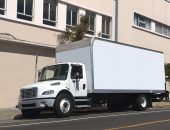

The trucking industry has always been driven by efficiency, reliability, and performance. However, as competition continues to grow and customer expectations evolve, fleet appearance has become an increasingly important factor for transportation companies. A clean and well-maintained truck is no longer just about aesthetics. It reflects professionalism, safety standards, and operational discipline that can influence customer trust and business reputation.
Recent industry reports have shown that branding and vehicle condition directly impact customer perception in logistics and transportation services. According to a report published by Forbes, businesses that maintain strong brand presentation often experience higher levels of customer confidence and retention. In trucking, the vehicle itself acts as a moving advertisement visible across highways, urban roads, and distribution centers every day.
The Role of Vehicle Condition in Fleet Operations

Source: getac.com
Commercial trucks operate under demanding conditions. Long-haul routes, unpredictable weather, construction zones, and heavy traffic expose vehicles to constant wear and tear. Over time, dents, scratches, and body damage become almost unavoidable.
While many operators focus heavily on engine maintenance and fuel efficiency, exterior damage is sometimes overlooked until it becomes severe. However, visible dents and body imperfections can affect more than just appearance.
Common operational impacts of neglected body damage include:
- Reduced company image and professionalism
- Lower resale value of fleet vehicles
- Potential corrosion and long-term structural issues
- Increased maintenance costs over time
- Negative first impressions with clients and partners
For fleet managers, addressing cosmetic damage early is often more cost-effective than delaying repairs for months or years.
Why Paintless Dent Repair Is Gaining Attention
One of the most practical solutions for minor body damage in commercial fleets is paintless dent repair (PDR). This process removes dents without requiring extensive repainting or panel replacement. Because it preserves the original factory paint, PDR has become a preferred option for companies seeking efficient and affordable repairs.
Businesses like TrueForm Dent Repair specialize in restoring vehicle panels while minimizing downtime. This is especially important for fleet operations where every hour off the road can impact scheduling and revenue generation.
Paintless dent repair offers several advantages for trucking companies:
| Benefit | Operational Impact |
| Faster repair times | Trucks return to service quickly |
| Lower repair costs | Reduces maintenance expenses |
| Preserves factory paint | Maintains vehicle resale value |
| Eco-friendly process | Avoids unnecessary chemicals and repainting |
| Minimal downtime | Supports fleet efficiency |
For regional delivery fleets and owner-operators alike, these benefits can make a significant difference in long-term operating costs.
Driver Responsibility and Vehicle Presentation

Source: wheelsaz.com
Truck drivers spend countless hours behind the wheel and often develop a strong sense of ownership over their equipment. A well-maintained truck contributes to driver pride and morale, which can positively influence overall performance.
Fleet managers increasingly encourage drivers to report cosmetic damage early rather than waiting until inspections or scheduled maintenance periods. Small dents caused by loading docks, debris, or parking incidents are easier and less expensive to repair when addressed promptly.
Some companies now include vehicle presentation standards in their driver programs. These standards may involve:
- Weekly exterior inspections
- Reporting procedures for body damage
- Scheduled cleaning and detailing
- Maintenance documentation tracking
- Preventive parking and loading practices
Maintaining consistent standards across an entire fleet helps reinforce company professionalism while reducing long-term repair costs.
The Business Value of Professional Fleet Appearance
In highly competitive transportation markets, reputation matters. Clients often associate vehicle condition with reliability and service quality. A damaged or poorly maintained truck may unintentionally suggest operational neglect, even when the company performs well logistically.
This becomes especially important for businesses involved in:
- Dedicated contract transportation
- Retail delivery services
- Food distribution
- Corporate logistics partnerships
- High-value cargo transportation
According to transportation coverage from Business Insider, supply chain visibility and professionalism continue to influence client decision-making across the logistics sector. Companies that maintain polished fleet appearances may gain a competitive advantage during client evaluations and partnership discussions.
Brand visibility also plays a role in public perception. Trucks displaying clean graphics, undamaged panels, and professional branding contribute to stronger recognition and trust within local and regional markets.
Weather and Road Conditions Continue to Affect Fleet Exteriors

Source: sttc.com
Environmental exposure remains one of the biggest challenges for truck appearance management. Fleets operating in harsh climates experience additional wear from road salt, gravel, hail, and temperature fluctuations.
Some common causes of fleet body damage include:
Loading Dock Accidents
Tight maneuvering areas increase the risk of accidental dents and scrapes during loading operations.
Highway Debris
Loose gravel, tire fragments, and road debris can cause visible body damage over long distances.
Severe Weather Events
Hailstorms and falling debris during storms often create widespread dent damage across multiple vehicles.
Urban Delivery Conditions
Frequent parking, narrow streets, and crowded delivery zones create additional risks for cosmetic impacts.
Fleet managers who implement preventive inspection programs are typically better positioned to identify and repair damage before it worsens.
Maintenance Planning Beyond Mechanical Systems

Source: heavyvehicleinspection.com
Modern fleet management involves balancing several operational priorities at once. While fuel economy, driver retention, and regulatory compliance remain critical, exterior maintenance is becoming a more strategic consideration.
Many companies now integrate body repair scheduling into their preventive maintenance plans. This proactive approach helps avoid larger repair bills while keeping vehicles visually consistent across the fleet.
A structured maintenance strategy may include:
| Maintenance Area | Suggested Frequency |
| Exterior inspections | Weekly |
| Dent assessments | Monthly |
| Professional detailing | Quarterly |
| Paint protection review | Twice yearly |
| Fleet branding inspection | Annually |
Consistent upkeep not only improves appearance but also protects long-term asset value for fleet owners and operators.
As transportation companies continue to modernize operations, fleet appearance is becoming more closely connected to professionalism, efficiency, and customer trust. Maintaining vehicle exteriors through timely repairs and preventive care supports both operational performance and long-term business value in today’s competitive trucking environment.