

“Where is the truck?” is usually the first question when a delivery falls behind schedule. The more useful question may be what happened before it stopped.
A location history can show that a vehicle spent forty minutes at a service area. It cannot, by itself, explain whether the driver took a scheduled break, investigated a warning light, or waited for help with a failing battery. Understanding those differences requires information from the equipment itself.
Truck telemetry adds that context. By collecting and transmitting readings from vehicle systems and added sensors, connected products can help fleets recognize developing problems. For the manufacturers building those products, the challenge is getting useful equipment data into the applications where customers can act on it.
That is where Blues fits. The company helps truck and trailer equipment manufacturers connect their products to the cloud, providing connectivity modules and a cloud platform that support monitoring and diagnostic services. Manufacturers can focus on interpreting their equipment’s behavior without building the entire communications system themselves.
For fleet operators, the practical benefit is having more information while there is still time to decide what to do.
A reading becomes useful when it has context
Source: ltcenter.com
Consider a truck that repeatedly struggles to start after overnight stops. Its location record might show delayed departures, but it offers little explanation for them.
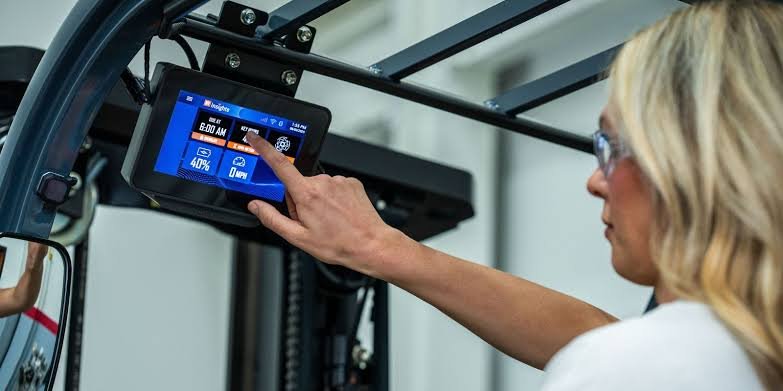
A connected battery-monitoring product could supply additional information: voltage readings, temperature, and changes associated with starting or charging. Viewed together, those measurements can help a service team decide whether the battery, charging system, or an electrical load needs investigation.
A single low-voltage reading does not establish that a battery needs replacing. The circumstances matter. Was the engine running? Had the vehicle been parked for an extended period? Were auxiliary systems drawing power? Does the same pattern appear repeatedly?
Equipment-specific knowledge helps turn those measurements into a useful recommendation. Rather than replacing a component based on an isolated number, the maintenance team can arrange targeted checks and compare the results with the recorded history.
The same approach can help explain intermittent problems. A fault that disappears before the truck reaches the workshop may still leave a record of the conditions under which it occurred.
Brake temperature shows why interpretation matters
Source: commercialmotor.com
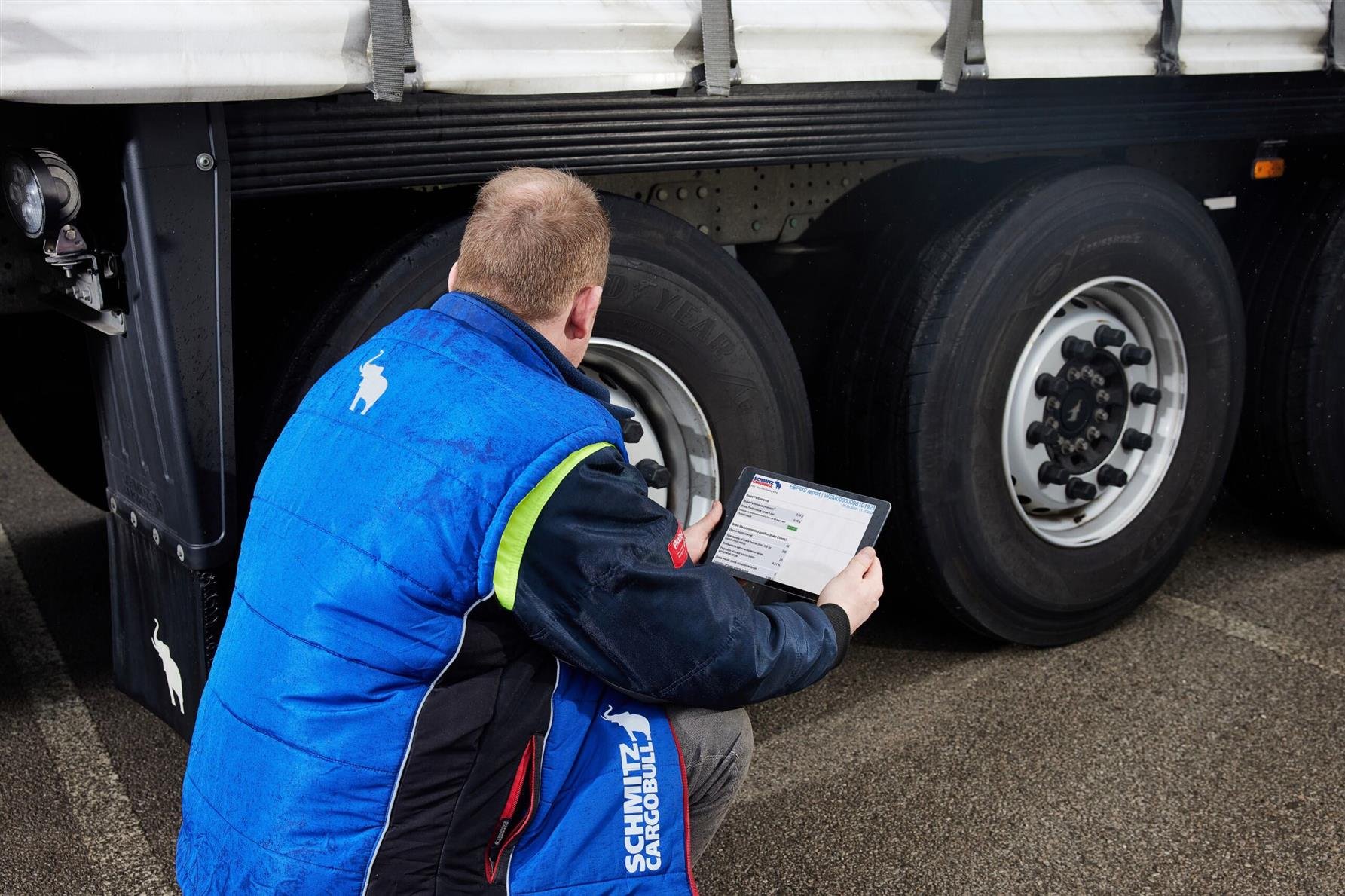
Brake monitoring provides another example of the relationship between a measurement and its meaning.
Brakes generate heat during normal use. A higher temperature after a demanding descent needs to be considered differently from an unusual temperature pattern during otherwise comparable operation. A useful monitoring application needs to account for the equipment, sensor placement, and operating conditions.
Depending on the system, repeated differences between comparable wheel positions or an unexpected temperature trend could justify further investigation. The reading provides a reason to inspect; it does not identify the mechanical cause on its own.
For brake and wheel-end component manufacturers, this is where their engineering expertise becomes valuable in a connected product. They can help determine which patterns warrant attention and what information should accompany a warning.
The resulting service should give operators clear guidance consistent with the equipment manufacturer’s procedures. Safety-related warnings require appropriate action; they should never become a reason to defer a necessary inspection simply because the truck is still moving.
How equipment readings reach the people who need them

Source: stackify.com
A useful telemetry service involves several steps.
First, a sensor or vehicle interface supplies a measurement. Depending on the product, that might come from an existing electronic system or from a sensor installed specifically to monitor a component. The device then needs to associate the reading with the correct equipment and record when it was taken.
Connectivity carries that information to a cloud application. The application can combine readings with equipment records, evaluate conditions, and present information to the appropriate person.
Blues’ Notecard connectivity modules and Notehub cloud platform help manufacturers address the communication and data-routing parts of that process. Product teams can build on that foundation while concentrating on sensor integration, equipment behavior, and the services their customers need.
The distinction matters. Connectivity makes the data available; the manufacturer’s application determines how it supports a maintenance decision. A fleet benefits when both parts work together reliably.
Earlier information creates more options

Source: ptolemus.com
The practical benefit of telemetry is often the opportunity to act while there is still flexibility.
If a service team identifies a recurring battery issue before the truck returns to the depot, it can arrange an inspection during an existing stop. If a refrigeration unit shows a sustained temperature deviation, an operator can contact the driver and investigate while the shipment is still in transit.
The response depends on the condition and its urgency. Some findings may support planned workshop attention. Others may require immediate action under established operating procedures.
Timing also changes how service work is organized. A technician who receives relevant equipment history before a visit has a better starting point than one working only from “it stopped working yesterday.”
That can help narrow the checks required and identify which tools or replacement parts may be worth bringing. Scheduled service visits can also help fleets address cosmetic wear and maintain a consistent fleet appearance.
Location remains useful throughout this process. Knowing the truck’s route and next planned stop helps the fleet coordinate the response to an equipment issue.
An actionable alert answers more than one question

Source: data-driven.com
An alert needs to do more than announce that a threshold was crossed.
The recipient should be able to identify the affected vehicle or component, understand when the event occurred, and see the information that prompted the notification. Where appropriate, the application should also indicate whether the condition is ongoing and what checks are recommended.
Ownership matters too. Dispatch, maintenance, and the equipment manufacturer may each need different details. A notification that reaches everyone without assigning responsibility can still go unanswered.
Good alert design also considers repetition. If a condition persists, the system should support acknowledgment and escalation without burying users in identical messages. When the issue is resolved, that change should be visible.
These details turn monitoring into a usable service. They help the recipient distinguish a new problem from an existing case and understand what needs to happen next.
Reliable visibility includes knowing when information is old
Trucks travel through changing network conditions, so the latest reading on a screen may not describe the equipment’s current state.
A device can be designed to retain measurements during a communication gap and upload them later. Those records remain valuable, but the application should distinguish the time a measurement was taken from the time it arrived.
The same care applies to missing updates. A silent device does not, by itself, establish that the truck has broken down. Power, coverage, and the monitoring hardware may need investigation.
Clear timestamps and device-status information help operators judge what the system knows and where uncertainty remains.
For manufacturers, delivering that clarity is part of building a product customers can trust. For fleets, it means receiving information that supports decisions rather than simply filling another dashboard.
The strongest connected products bring equipment condition, location, and service context together. They help a fleet move from noticing that a truck has stopped to understanding what deserves attention—and give the people responsible for keeping it working a better place to start.